Sence Opinion Analysis Highlights
- FIA’s share of voice dropped from 15.3% pre-season to 7.9% post-race, showing a shift in fan focus.
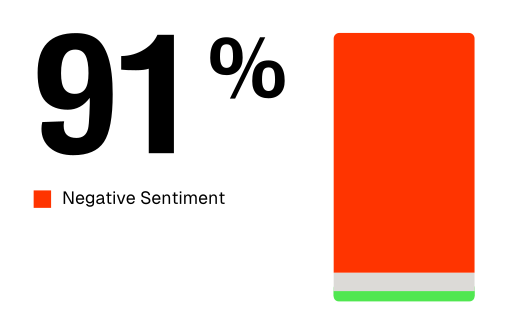
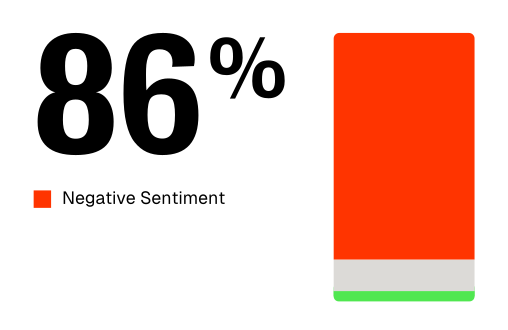
- Negative sentiment toward FIA decreased slightly from 91% to 86% after the swearing rule clarification.
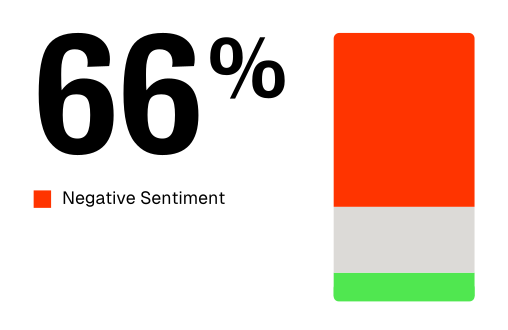
- Fans called for driver solidarity against restrictive rules, with 66% negative sentiment pre-season.
This report examines how FIA’s swearing ban dominated F1’s pre-season narrative, sparking backlash from fans who saw it as overregulation. Post-race, the conversation evolved to focus on rule enforcement and safety, highlighting the challenges of managing online sentiment in sports.
- 12k+ Major themes
- 50+ unique brand mentions
- 10 core conversation themes
- 4 key lessons for brands
Sence Opinion Analysis Highlights
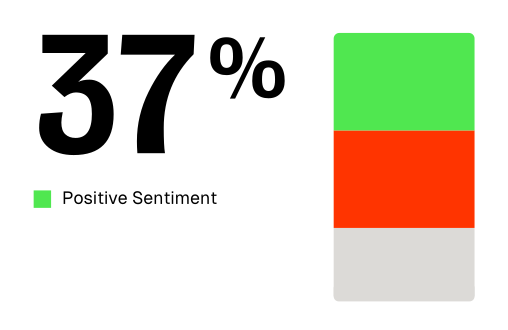
- Positive: 37%
- Neutral: 27%
- Negative: 37%
Online conversation around the swearing ban began overwhelmingly negative, with fans decrying excessive regulation. After the FIA clarified contexts for profanity at the Australian Grand Prix, sentiment balanced out. Yet governance doubts persisted as debates turned to mid‑season rule tweaks and safety handling. The journey shows how partial fixes can ease tension but leave deeper trust issues unaddressed.
Key Theme #1
Swearing ban controversy
Capturing 15.3% of pre-season conversation, the swearing ban dominated discussions, with fans arguing it stifled driver expression and was out of touch with F1’s competitive nature.
Many fans questioned FIA’s leadership and described its rule-making as unreasonable, with some calling it an oppressive environment for drivers. This led to widespread discourse on driver solidarity, as fans debated whether teams and the GPDA should collectively push back against FIA policies.
What the community is saying
"Formula 1 Swearing edition. Who swears the least wins, racing doesn't matter at all!"
"Imagine a high impact crash then getting banned because you said a curse word."
Key Theme #2
Driver solidarity
As anger toward FIA’s restrictions grew, discussions shifted toward driver solidarity and the lack of collective pushback against the rules. With 6.8% share of voice, fans expressed frustration over the lack of driver pushback against FIA’s rules, calling for collective defiance with 66% negative sentiment pre-season.
What the community is saying
“GPDA should actually step up. They've got all the power. What is FIA going to do if the drivers show up but just don't race?”
“The drivers should take a stand and not say a word at the press conferences in solidarity”
Key MENTION
FIA
FIA faced significant backlash for the swearing ban, with fans questioning its leadership and governance. Post-race, criticism shifted to rule enforcement and safety concerns, maintaining an 86% negative sentiment.
In response to mounting criticism regarding the newly introduced swearing sanctions, the FIA issued a clarification during the Australian Grand Prix weekend. Initially, the regulations imposed strict penalties, including fines and potential race bans, for profanity, raising concerns about overregulation and its impact on driver expression.
What the community is saying
"I'm excited to see which drivers get docked championship points for not complying with the recent FIA guidelines on what you can and cannot say. Hopefully that was neutral enough language to avoid a fine."
"FIA should face race bans from F1 drivers"
Sence Check
Applications for brands and marketers
- Proactively address conversations: FIA’s clarification of the swearing rule showed that engaging with criticism can shift the narrative.
- Transparency builds credibility: Inconsistent rule enforcement eroded trust; brands must ensure clear and fair decision-making.
- Engage with ongoing discussions: Brands should participate in dialogues to guide narratives before sentiment turns negative.
- Understand fan passion: Despite criticism, F1 fans remained engaged, highlighting the value of tapping into community excitement.
FIA’s journey from controversy to control reveals the power and pitfalls of managing online narratives in real time.