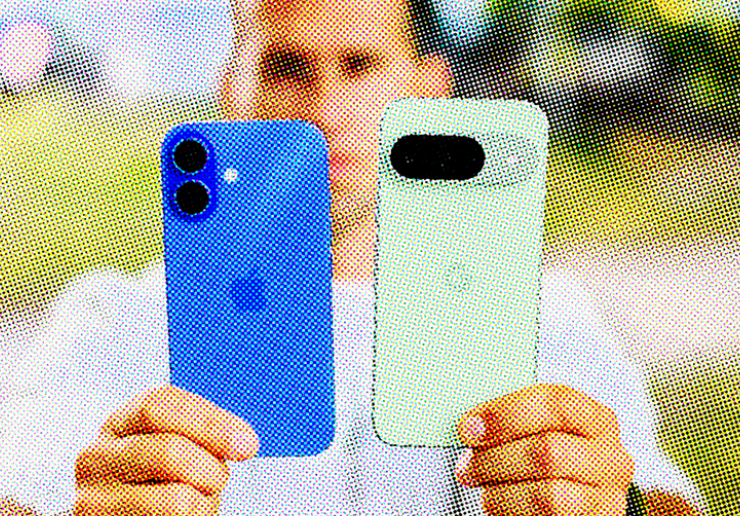
Sence Opinion Report Highlights
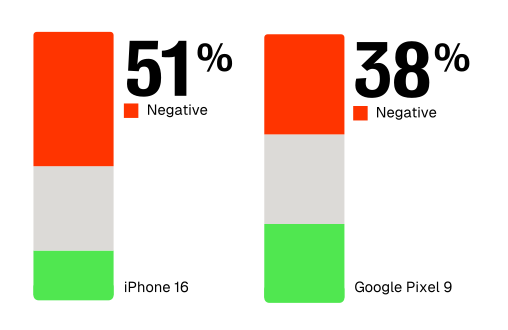
- iPhone 16 drew sharper criticism with 51% negative sentiment, citing stale design and underwhelming upgrades.
- Pixel 9 saw more balanced feedback, though concerns around pricing and AI-related privacy remain prevalent.
- Both launches reflect a shift in consumer expectations where value, trust, and differentiation now drive loyalty.
The iPhone 16 and Pixel 9 launches reveal a shift in how audiences evaluate flagship products. Apple faced stronger backlash, with many calling out the lack of meaningful upgrades. Google received a more tempered response, balancing optimism around AI with concern over privacy and price. Across both, one theme stood out: brand loyalty is being redefined by perceived value and transparency. This report decodes those reactions and what they signal for future launches.
- 33k+ opinions decoded
- 150+ unique brand mentions
- 15 key themes
- 4 lessons for brands
Overall sentiment comparison
Apple:
- 18% positive
- 32% neutral
- 51% negative
Google Pixel 9:
- 28% positive
- 34% neutral
- 38% negative
The sentiment split between iPhone 16 and Pixel 9 isn’t just about product features but also reflects shifting emotional expectations. For Apple, backlash stemmed from a feeling of detachment: loyal users expected inspiration, but were met with repetition. Google’s reception was cautiously optimistic, though tempered by trust issues. In both cases, sentiment exposes tension between habit and change, loyalty and letdown. This sentiment reflects a market that’s listening closely, responding quickly, and less willing to give brands the benefit of the doubt.
APPLE'S Key Theme
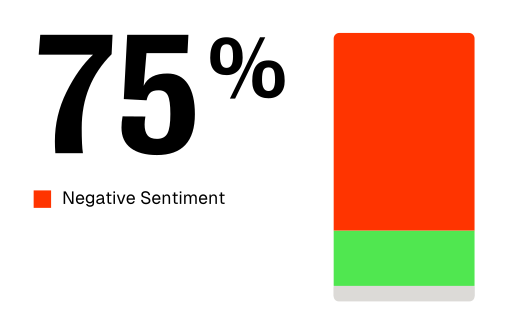
Apple’s slow-burn frustration
37.2% of conversations voiced clear frustration over Apple’s yearly incremental upgrades, with many calling them “refinements” disguised as innovation. Many saw the new camera button and USB-C port not as innovation, but as overdue changes wrapped in marketing polish. For long-time users, trust is wearing thin due to sameness and lack of innovation.
Opinions expressed from the community:
“Probably the smallest update when ur coming in from the 15 Pro. Also 60 hz on the normal 16 in 2024 is crazy”
“Huawei's releasing a tri-folding phone whilst Apple have added a camera button 😂”
However, others point to the inherent contradictions:
“2022: No buttons. 2024: Add one button and call it revolutionary. “
“I swear they are going to add a fingerprint scanner on that Camera Control button in the next iphones and call it new and revolutionary lmaoo”
GOOGLE'S Key Theme
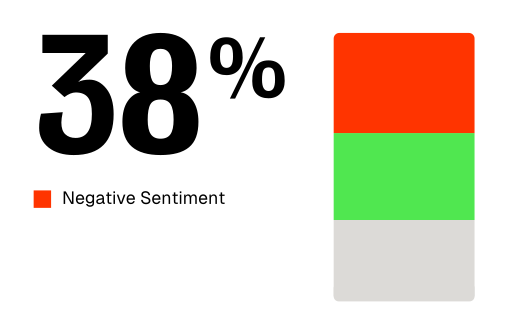
AI under the spotlight
Excitement over Google’s AI features was mixed with caution. 9.9% of the conversation captured mixed sentiments. Some praised innovations like voice recognition and visual search, while others expressed wariness over how these tools use personal data. Users aren't rejecting AI but they’re weighing its benefits against privacy trade-offs, especially when comparing Pixel to more conservative competitors.
Opinions expressed from the community:
“That group photo merge is fucking crazy.”
“I was always a fan of the Google software so I'd like to see more details into the AI and performance metrics. For a few years it seemed like it was all about the camera (maybe to compete with phones?) but now I'm glad to see their hardware and software finally up to snuff while still at a lower price.”
“I'm sick to death of AI. Instead of significantly improving hardware, phone makers are now obsessed with AI gimmicks.”
“AI is to run and control life soon all from a telephone, mad isn't it?”
How two launches landed differently
While both launches drew intense scrutiny, the nature of the response revealed a clear divide:
- The iPhone 16 faced backlash rooted in disappointment from those who expected more, but saw the same.
- Pixel 9 sparked curiosity, tempered by concern, as users weighed innovation against privacy.
- Both faced resistance, but for opposite reasons: Apple for not moving far enough, and Pixel for pushing ahead too quickly which resulted in hesitation.
Together, these reactions signal a shift in how audiences engage with flagship tech. People are now asking bigger questions about value, purpose, and transparency. In this landscape, attention isn’t guaranteed by brand power, rather it’s earned through relevance, clarity, and a willingness to listen.
Sence Check
Checks to elevate your engagement strategy
- Are you only tracking what people say, or are you understanding why they say it?Sence decodes the emotional and contextual drivers behind sentiment so you don’t just hear noise, but detect smarter signals.
- Are you responding to loyalty as it shifts?Brand loyalty today is conditional. Sence spots the early signals of erosion or opportunity, helping you act before your audience drifts.
- Are you reading between comparisons?When users start comparing you to others, they’re inviting a conversation. Sence helps you understand what they value and what they’re missing.
The conversations around iPhone 16 and Pixel 9 reveal more than just product feedback. They reflect a shift in how consumers evaluate trust, value, and innovation. What once prompted automatic upgrades now invites hesitation, as familiar brands face rising expectations, sharper comparisons, and increasing demand for clarity on price, value and even privacy.